5 Common Signs of Roof Damage To Look Out For
A damaged roof is a real pain to San Diego homeowners. When it happens, the solution might lie in replacing the entire roof, which is quite a costly endeavor.
As unfortunate and unwanted as it might be, your roof will develop leaks and eventually get damaged at some point. What you should concern yourself with is identifying a damaged roof before it starts leaking or things get out of hand and it probably damages things in your home.
-
Dented gutters and downspouts
One of the first signs to appear when you have a damaged roof is downspouts and dents in your gutters. If your gutters have dents, your roof will most likely be damaged.
When it comes to downspouts, the dents should be above 5 feet for you to be sure that it is a sign of roof damage and not some other activity or accident.
Beyond dents and downspouts, it is important to check for ground-level collateral damage as a supporting sign of roof damage.
For instance, are there holes in your window screens? Do you see strikes or dents on your garage door? Have you found dents on your mailbox or other metals around your home? You also need to check for dings on any painted wood or shutters as well as dings or splatter marks on your AC unit, grill, or electric meter.
While these collateral damages can be a pointer toward roof damage, it isn’t always the case all the time, so you might need to do some more observation. Nevertheless, there’s a good chance of roof damage if these check out.
-
Loose granules/granules in your gutter
In the case of a very old roof, loose granules might be a sign that your roof needs to be replaced.
However, regardless of the age of your roof, finding granules in your gutter can be a sign that your roof needs a replacement.
Granules are added to asphalt shingles to offer UV protection and fire resistance, as well as to give the shingles their color. They are also important to your roof’s lifespan.
So, once you identify granules in your gutters, it is a cause for concern. In the case where hail exposure might have resulted in the loss of your granules, it is a pointer to the fact that your asphalt shingles have had their integrity compromised.
Check downspouts and the ground area for granules as well. Whatever you find, it is important to speak with a roofing contractor who will observe your roof to be sure whether it is damaged or simply a result of age.
-
Creased or missing shingles
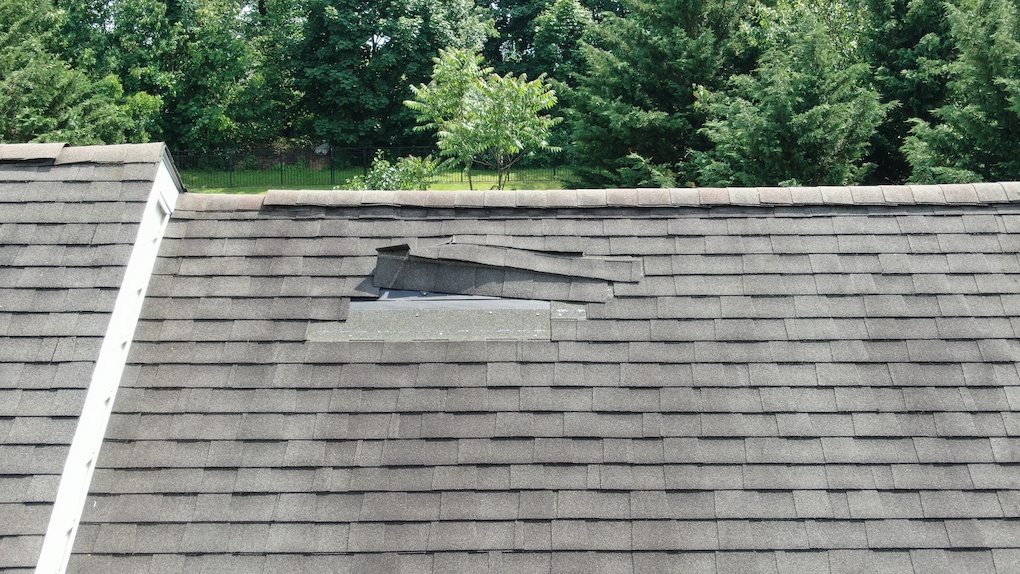
Going on to your roof, your shingles could have suffered some damage caused by the wind, and they are visible in signs such as lifted shingles, creased, or missing shingles.
Missing shingles are the most obvious ones to find, but creased or lifted shingles can only be seen when you climb on your roof.
Sometimes, damage to your shingles might result from improper roof installation and not roof damage. Sadly, if your shingles are out of place due to improper installation and not natural damage, then your insurance cannot cover it.
-
Dented roof flashing, vents, and shingles
At this point, you need to know what signs qualify as signs of roof damage because not all signs qualify as roof damage.
A dent on your roof and shingle needs to be as large as 1 inch in diameter for it to qualify as damage resulting from hail.
Damage that large is capable of compromising your roof’s integrity, which is a cause for concern. A smaller dent might not be of enough consequence to damage your roof.
Apart from your shingles, consider other areas and check for collateral damage, especially in areas like your roof flashing and vents, and other metals on your roof that can show signs of damage.
Any damage that was strong enough to cause damage to the vents and other metals of your roof will also damage other areas of your roof.
-
Check for tree limbs on your roof
If a heavy tree limb hits your roof, then you can be sure that your roof has undergone some damage. So, if you find the limb of a tree sitting on your roof and it is heavy, then it might damage your shingles, decking, and other components of your roof.
Some gigantic tree limbs might not stop at damaging the roof but fall in and go all the way to the attic.
To avoid such a situation, always ensure that you don’t have trees tall enough or limbs heavy enough to damage your roof when there’s a storm or heavy winds.
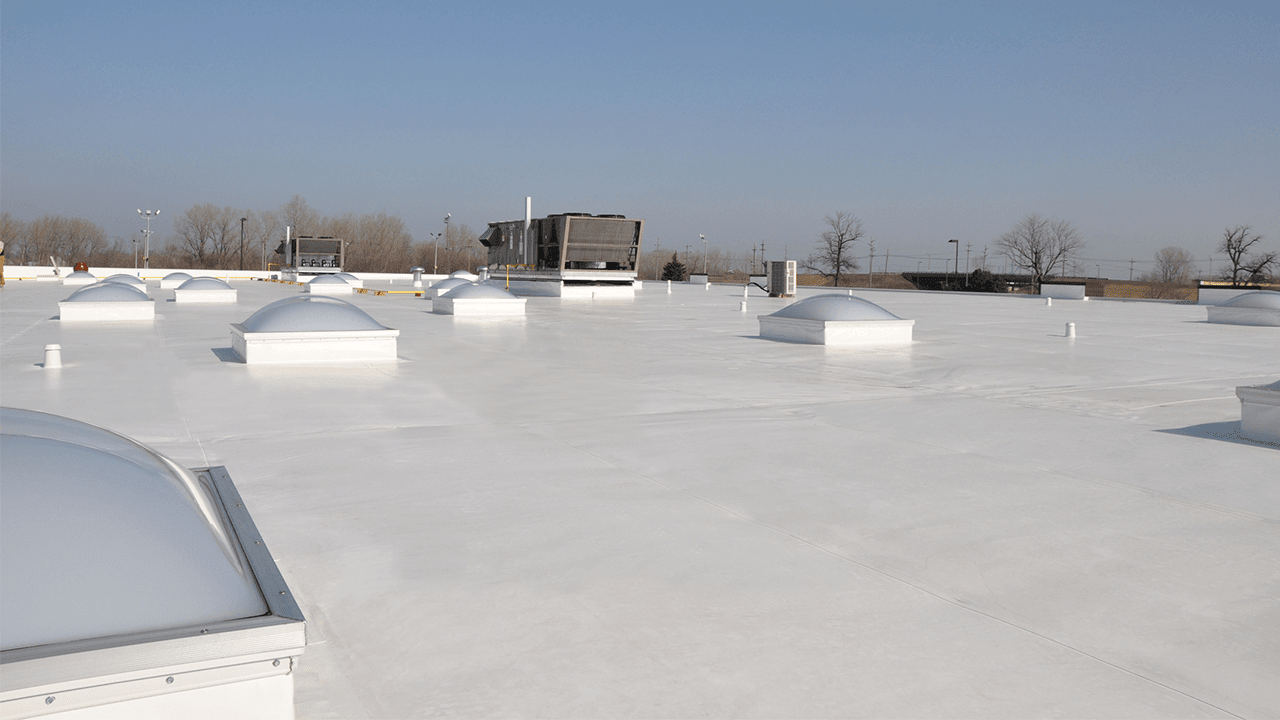
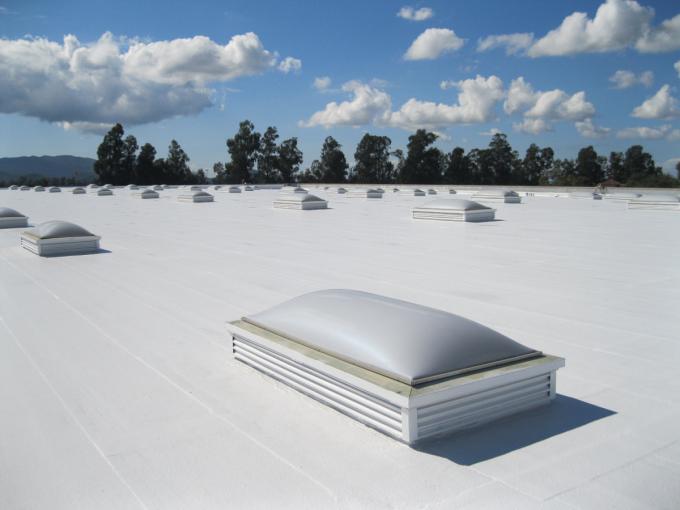
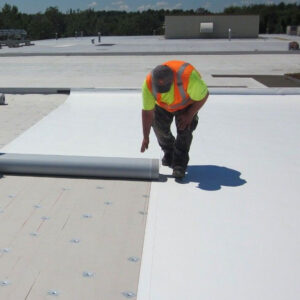 A membrane roof is a waterproof material that makes your roofing system waterproof resistant. It can be flexible or semi-flexible, and it can also be made from single or multiple materials joined together.